+1-800-924-2481 · [email protected] EN · ES · PT
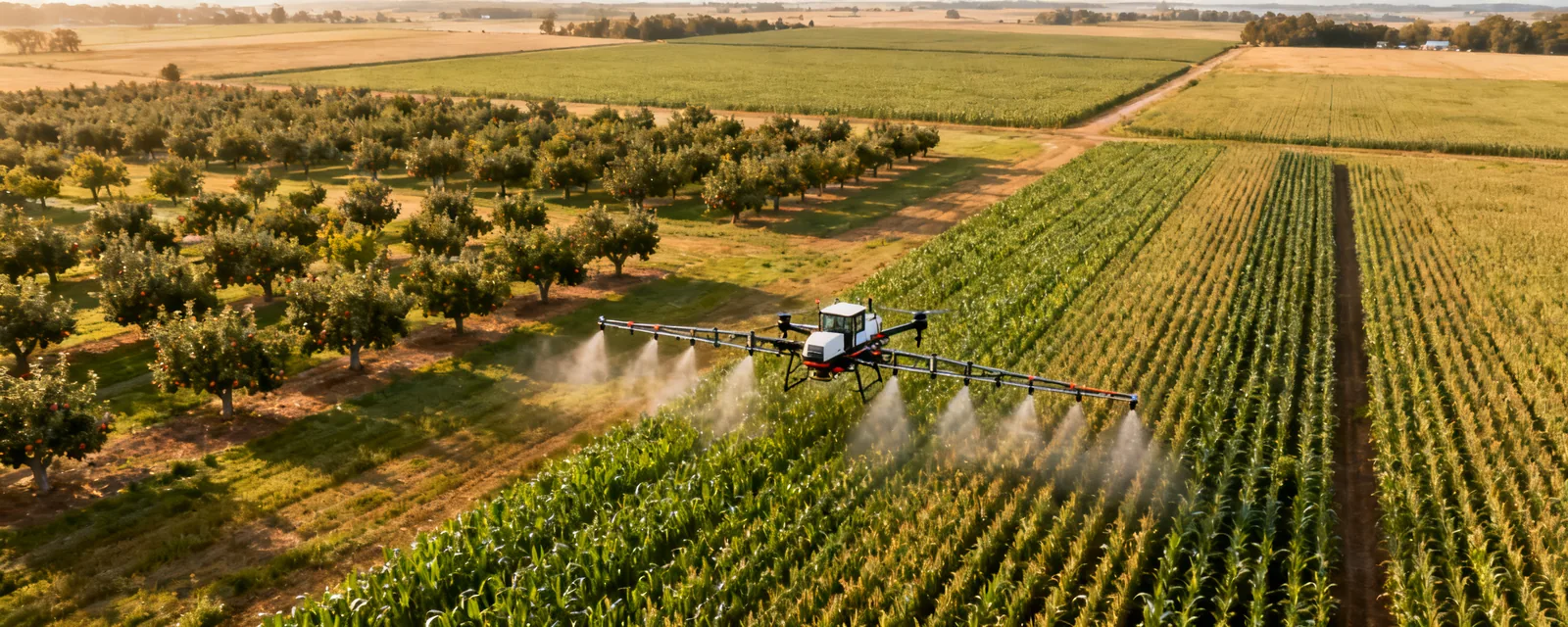
Full-width orchard and row-crop spray application panorama

Application showcase

Where XAG spray paths earn their keep

Image-led crop protection scenarios for growers comparing agricultural drones, boom sprayers and orchard mist packages against real field geometry—not brochure acreage claims.

Three field rooms that change the equipment shortlist

Each card pairs a working visual with the tank capacity, working width and spray drift control constraints that decide drone versus boom first.

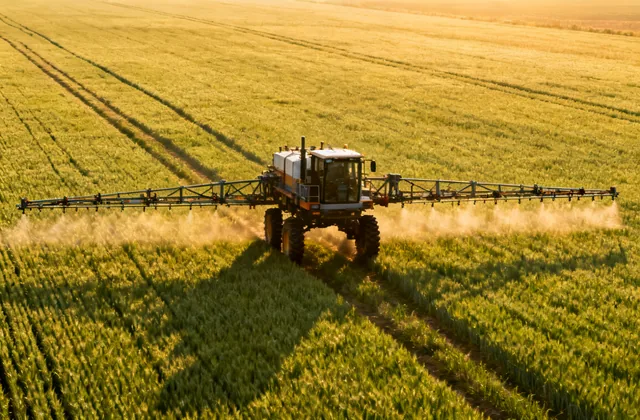
Boom sprayer covering contiguous cereal blocks

Contiguous row-crop blocks

Large cereal and oilseed fields reward boom throughput when refill points and headland turns stay efficient. Rate controllers and section shut-off matter more than aerial flexibility when hectares are rectangular and wind windows are predictable.
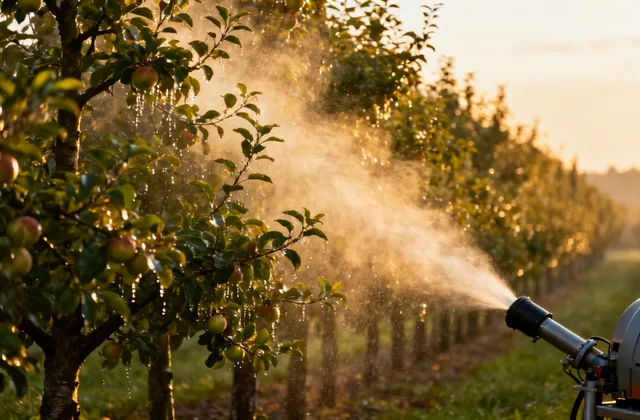
Orchard mist blower working tree canopy rows

Orchard canopy rows

Tree geometry pushes growers toward orchard sprayers and mist blowers sized for canopy height. Droplet spectra and fan air volume must match leaf density so spray drift control remains credible near neighboring blocks and buffer strips.

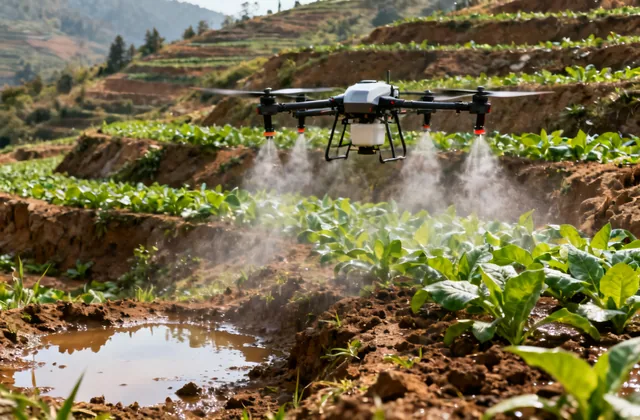
Agricultural drone spraying fragmented hillside plots

Fragmented & steep parcels

Terraces, wet corners and irregular property lines often favor agricultural drones when boom access costs hours. Battery staging and refill logistics replace boom width as the planning bottleneck, especially under GLOBALG.A.P. spray-buffer notes.

40 ha Common starter block size used in first-pass drone vs boom reviews
24 m Example boom working width discussed for contiguous cereal layouts
3000 L Reference tank capacity band when refill points are mapped early
3 paths Typical mix: boom primary, drone edges, orchard mist package

Selection notes

How application context reshapes nozzle and platform choice

Row-crop programs usually start with boom sprayer throughput because contiguous hectares punish slow refill cycles. When growers bring 40 ha blocks and measured fill points, advisors can compare 24 m boom packages against drone sortie rates without guessing. Tank capacity around 3000 L is only useful if water logistics match; otherwise a smaller tank with faster turns can cover more disease windows in a week.

Orchard programs flip the conversation toward canopy penetration. Mist blowers and dedicated orchard sprayers earn preference when leaf walls block simple boom patterns. Spray drift control near roads, watercourses and neighboring crops becomes a design input, not an afterthought—EPA label buffers and GLOBALG.A.P. audit notes often decide droplet class before brand preference does.

Fragmented terrain keeps the drone-versus-boom dispute honest. Aerial platforms win access; ground machines still win litres per hour on open ground. XAG application sheets keep both sides visible so CapEx follows the blocks you actually spray, including greenhouse perimeter jobs where fine droplet work needs calm wind and staged battery packs. Parts staging notes travel with every shortlist so nozzle tips and filters are not ordered after the first pressure window opens.

Map your crop blocks to an XAG spray shortlist

Share hectares, canopy type and wind-buffer constraints. We return a primary and backup path—drone, boom or orchard mist—with calibration and parts checkpoints attached.