Application path review
We compare agricultural drone routes against boom sprayer throughput using your block shapes, refill points and labor coverage. The output is a shortlist, not a finished bill of materials.
Guided services
XAG advisors walk growers through nozzle matching, spray drift checks, drone commissioning and seasonal parts staging so crop protection CapEx matches the weather windows you actually get.
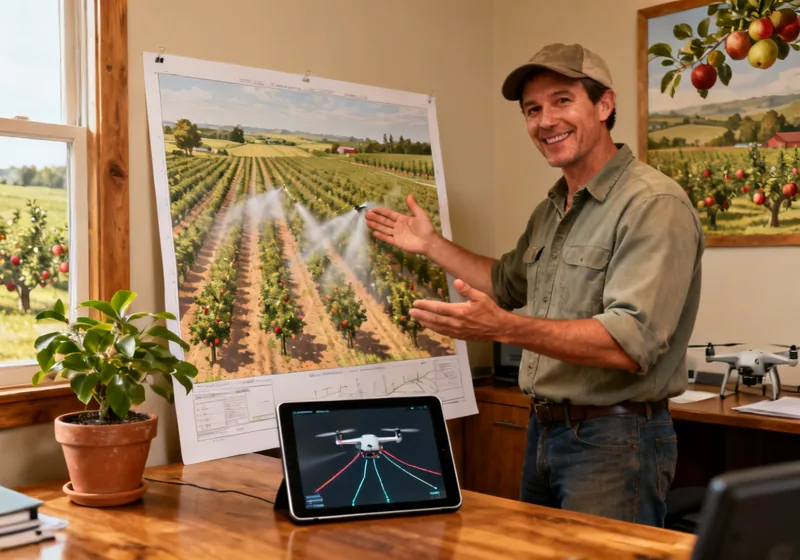
We compare agricultural drone routes against boom sprayer throughput using your block shapes, refill points and labor coverage. The output is a shortlist, not a finished bill of materials.
Nozzle class, pressure bands and buffer strip notes are reviewed against local wind patterns so spray drift control stays practical in the first season of ownership.
Drone batteries, boom section valves and orchard mist fans are checked against the crop calendar before the first disease or insect pressure window.
Wear parts and consumables receive lead-time labels so transnational procurement does not strand a spray day mid-season.
Drones usually win on fragmented or steep terrain where boom access costs hours. Boom sprayers still win on large contiguous fields when rate control maturity and tank litres per hour matter more than flexibility. We keep both sides of the drone-versus-boom dispute visible before recommending a primary path.
Coverage area in hectares, preferred working width, tank capacity targets, canopy type and any GLOBALG.A.P. or EPA spray-buffer constraints. Example reviews often start around 40 ha blocks, 24 m boom widths or 3000 L tanks—your numbers may differ.
Yes. Many farms keep a boom for cereal blocks and add drones for orchard edges or wet corners. We map which jobs stay on the ground machine and which move to aerial platforms so investment is additive, not redundant.
High wind cancels fine droplet work regardless of platform. Drone batteries constrain consecutive hectares without staged charging. Boom width does not help if headlands cannot turn. ISO 9001 or CE paperwork is order-scoped documentation, not a farm certification.
Limitation: guidance quality tracks the field data you share. If acreage maps or canopy photos are missing, we will pause CapEx recommendations rather than invent numbers.
Share hectares, terrain notes and the pests or disease windows that matter this season. XAG will return the next checklist items instead of a generic equipment brochure.